Cabbage rolls are a nutritious dish made from any minced meat wrapped in cabbage leaves. I rarely cook cabbage rolls, as they are eaten much faster than they are cooked. But sometimes I still set aside time for cooking cabbage rolls.
Summary
| Course | Side Dish |
| Cuisine | Eastern European |
 Ingredients
 Ingredients
- Pork – 500 grams
- Rice – 150 grams
- White cabbage – 1 head of cabbage
- Bulb onions – 1 pc.
- Carrots – 1 pc.
- Tomato paste – 3 tablespoons
- Sour cream – 2 tablespoon.
- Bay leaf
- Allspice peas
- Freshly ground pepper mixture
- Salt
- Vegetable oil

 Print Recipe
 Pin Recipe
 Instructions
- Wash the cabbage, make deep cuts on the head of cabbage in a circle so that the leaves are well separated, and stick a knife into the head of cabbage to hold the cabbage by the knife. Place the cabbage in a large saucepan, add water, salt and place on the stove to boil. When the water boils, reduce the heat and let the cabbage simmer until the leaves begin to separate.
- When the first top sheet falls off, lift the cabbage by holding the knife, carefully peel this sheet off and remove it from the pan. Similarly, boil the entire head of cabbage, gradually removing one cabbage leaf at a time.
- Cool the cabbage leaves and cut off the tough part from each.
- Rinse the rice, put it in a saucepan, pour water (1.5 times more than rice), salt and cook until half cooked.
- Wash the meat, remove excess fat and twist in a meat grinder.
Peel the onion, wash and twist in a meat grinder.
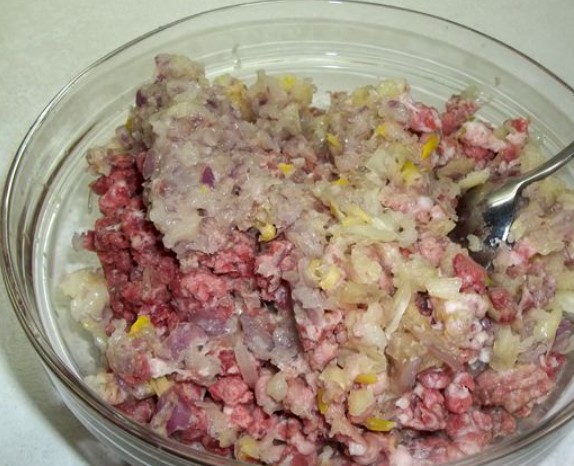
- Stir the meat and onions, add rice, season with salt, pepper and mix thoroughly.
- Peel the carrots, wash, grate on a coarse grater and fry in a pan with the addition of tomato paste.
- Put a handful of minced meat on a cabbage leaf and wrap it in an envelope.
- Put stuffed cabbage rolls in a frying pan. Fry them on both sides until golden brown.
- Place the fried cabbage rolls in a saucepan in which they will be stewed.
-
When all the cabbage rolls are fried and stacked in a saucepan, fill them with carrot-tomato sauce, add sour cream, bay leaf, pepper.
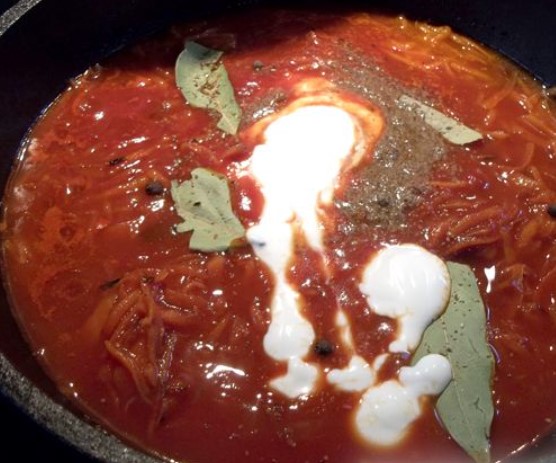
- Cover the saucepan and simmer the cabbage rolls for 1 hour over low heat. Bon appetit!


About Editorial Staff
The Boss Kitchen editorial staff oversees content review, fact-checking, and recipe verification across the site. Published articles pass through the editorial team before going live, ensuring ingredient lists, techniques, cooking times, and nutritional claims hold up in a home kitchen. The team coordinates contributions across the site writers, handles reader corrections, and maintains consistency in measurement conventions, safety guidance, and dietary labeling. Posts under this byline typically represent team-reviewed reference material, site announcements, or editorial roundups rather than individual-author features, and they are held to the same sourcing standards as bylined recipe and product coverage.
Get FREE Recipe Gifts now. Or latest free cooktops from our best collections.
Disable Ad block to get all the secrets. Once done, hit any button below