Maldivian cuisine is one of the tastiest and healthiest cuisines in the world that you may have never heard of. Relying on rice, fish, coconuts, and aromatic spices, local chefs create real masterpieces that explode in your mouth with a rainbow of delicious tastes. The best way to experience the true flavor of popular Maldivian cuisine is to go on an excursion to Male or visit the inhabited islands. Today we bring you the top 10 foods you should try on your next trip to the Maldives.
Contents
Bis Keemiya (Samsa)
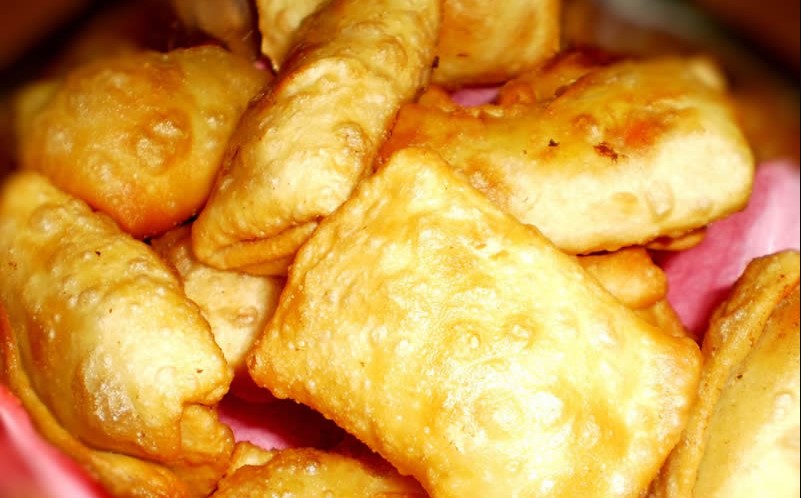
Imagine a curry puff marrying samosas and rolls and you’re halfway to what Bis Keemiya is. Softly fried, stuffed with chopped cabbage, tuna, eggs with hard cheese and spicy onions, light, and flaky pastries, and delicious chew. True to its spicy and salty origins, this dish once again showcases the basics of Maldivian cuisine with the way it brings tuna to the fore. Bis Keemiya is super easy to make and tastes a lot better stuffed with a variety of toppings of your dreams, including vegetarian options. Maldives restaurants almost always serve this dish and so for anyone looking for a sample of these islands’ authentic and traditional favorites, this particular yummy bite is never too hard to find. Try it – and you will understand why they are so impressive and light. Best consumed hot.
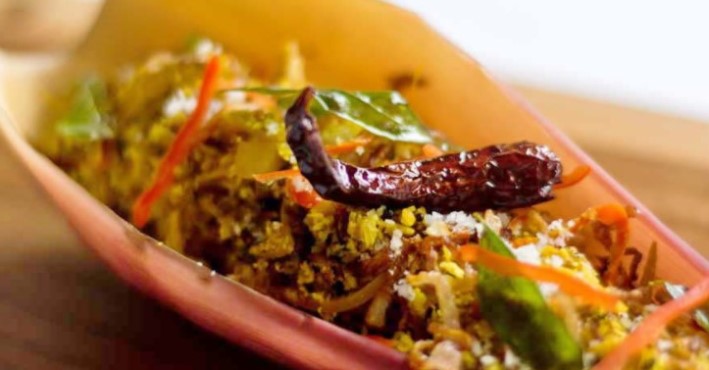
Boshi Mashuni (Banana Flower Salad)
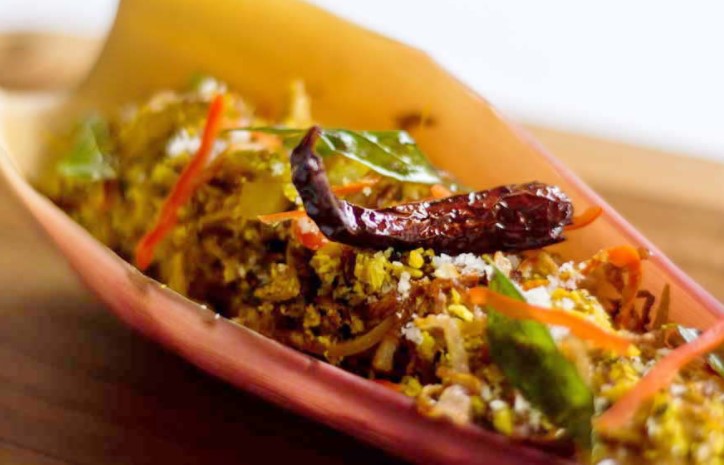
Somewhere between salad and salsa, boshi mashuni is a blend of shredded, blanched (but still crispy) banana flowers, fresh coconut, and spices. This dish is especially tasty with lime, spicy with onions and Maldivian chilies, with a savory background thanks to curry leaves, turmeric, and cumin. The dish is also impressive is the fact that it is very healthy.
Garudhiya (Flavored Fish Soup)
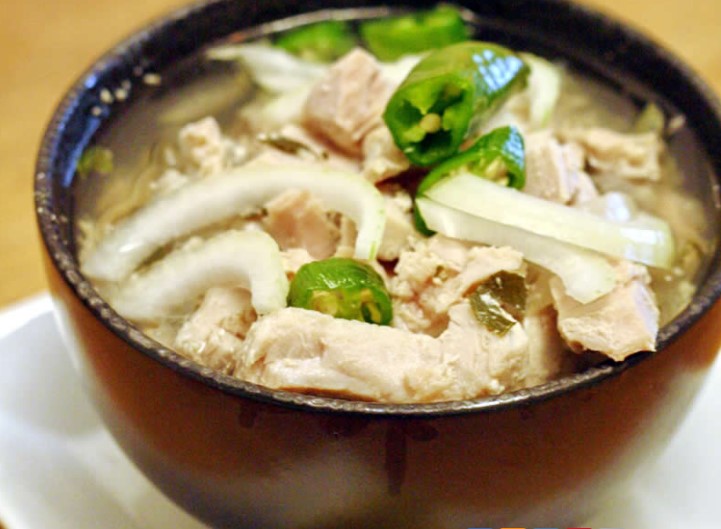
Mouth-watering traditional Maldivian fish soup, brewed with spices and citrus fruits. Fresh tuna is the main ingredient while providing an important flavor to the soup. The fish cubes are boiled in a broth with curry leaves, onions, garlic, and chili, then the whole batch is seasoned with crispy fried onions and freshly squeezed lime juice.
Huni Roshi (Chapati Bread)
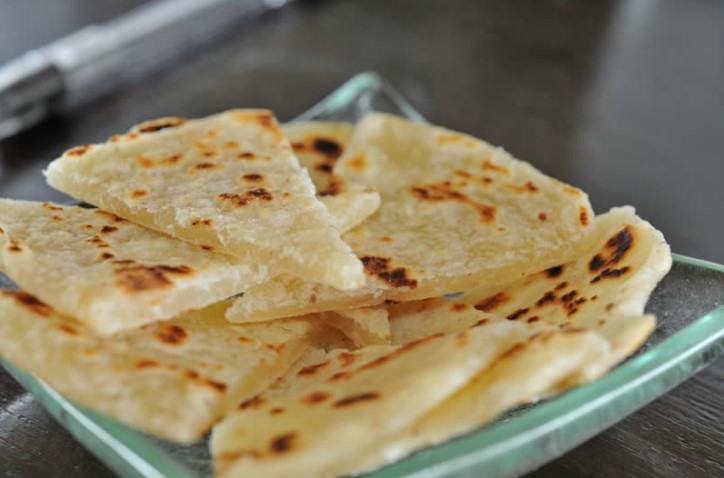
Given the archipelago’s proximity to Sri Lanka, where pol roti is a staple, it’s no surprise that the Maldives have their own version of coconut bread. Huni roshi is coconut-covered flatbreads that are fried until crispy on the outside and soft and chewy on the inside (they can even swell like pitta when you fry them). Coconut provides both texture and delicate flavor. The most delicious is right after cooking.
Saagu Bondibai (Sago Pudding)
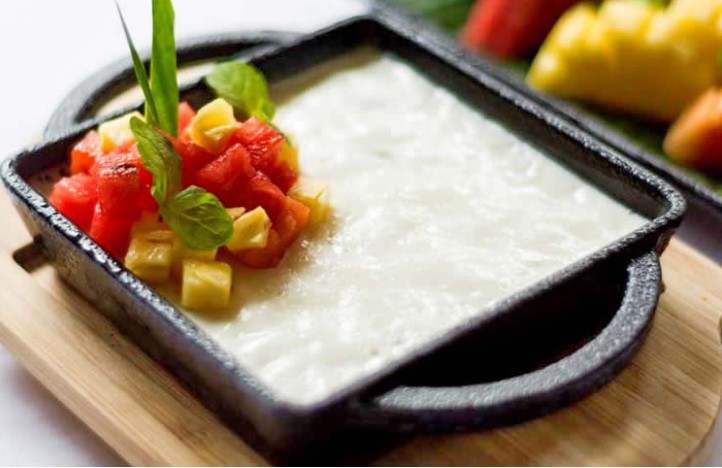
In the Maldives, these little starchy balls are a staple of folk diets, originating from the spongy hearts of tropical palm stalks. Once you taste the saagu bondibai, you will understand why sago is still so popular in Maldivian cuisines. Warmed with coconut milk, cardamom, and rose and seasoned with creamy condensed milk, this is the kind of dessert you can eat in large quantities for breakfast, lunch, and dinner.
Banbukeylu Harisa (Bread Curry)
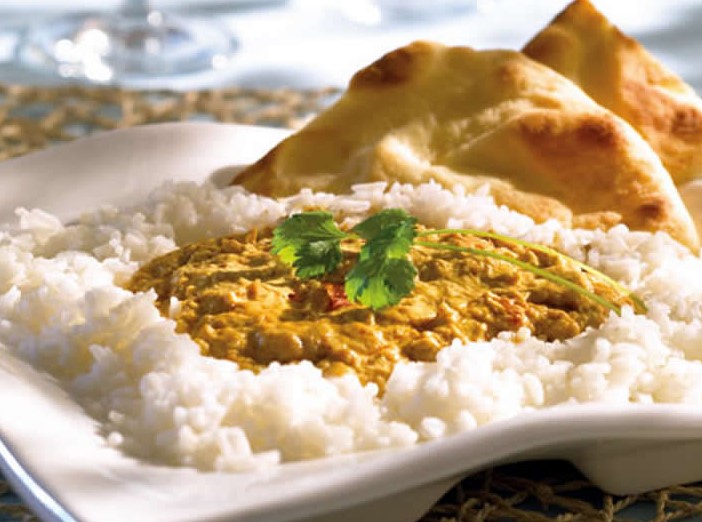
Breadfruit grows in tropical climates and is a rich and flavored food that can be enjoyed as a curry or as a dessert. The hearty and nutritious flavor of this fruit can be easily discovered once you get past the sticky task of (literally) peeling it off. Banbukeylu Harisa is a Maldivian bread curry that’s quite popular with locals. True to the basics of Maldivian cooking, curry effectively combines breadfruit, smoked tuna fish, and coconut milk with a variety of spices to produce a beautifully creamy and savory curry.
Rihaakuru
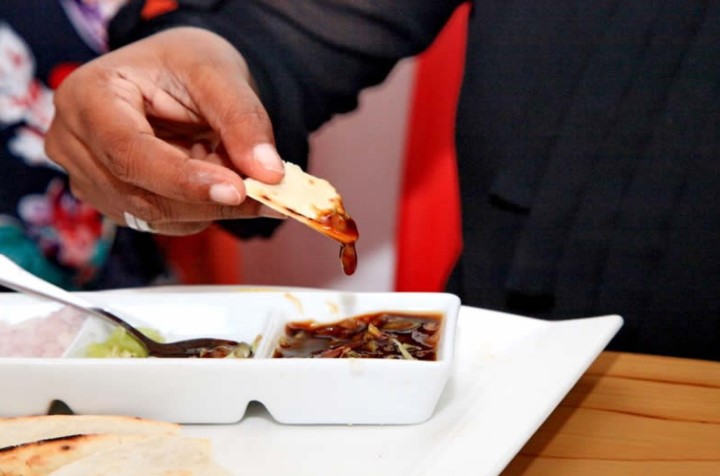
Rihaakuru is primarily a thick fish paste. The color of this food can range from light brown to dark brown. Since ancient times, the dish has been consumed almost daily by households in the Maldives, making it one of the traditional dishes of the island archipelago. Rihaakuru is a by-product of tuna processing. It is a simple but time-consuming process that involves hours of cooking tuna in salt and water while continuously removing any layer of scale or fillet that continues to form on the water. Once the tuna has reached the perfect consistency, it is then removed from the oven and served or stored. The chunks of tuna that are consumed include the head, intestines, and bones. These cooked chunks of fish are what will eventually be processed until it becomes the dried Maldivian fish that is world-famous. The leftover fish broth and ‘Bondi’, which is tuna waste, continue to boil until the water has evaporated. The result is a thick paste that is referred to in the traditional language, Dhivehi, as Rihaakuru. The pasta can be eaten with rice, taro, roti, or bread. It is also added to many other herbs and spices. Since the concentration of the pasta is quite acidic, one must be careful not to over-consume it, although it might seem that most Maldivians are somehow immune to any of the toxic effects of this food.
Kulhiboakibaa
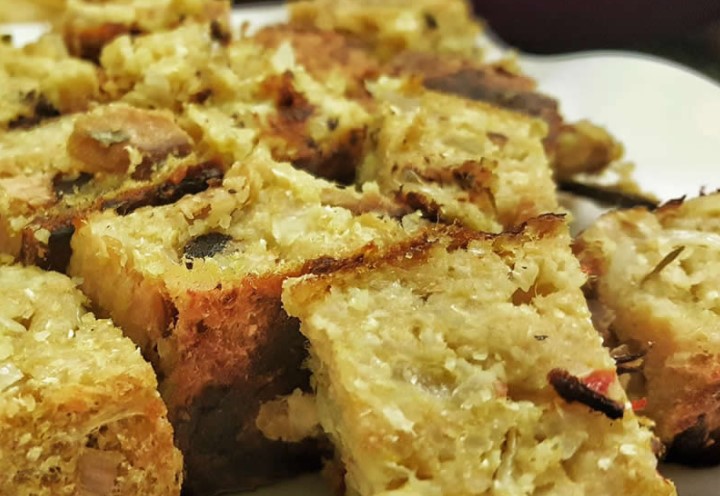
For a very long time, across generations, Kulhiboakibaa or traditional fish cake has been an important part of the Maldivians’ meals. This dish is especially popular during holiday celebrations on the inhabited islands, and these days it is increasingly popular as a piece during evening tea drinking. The cake is made with thick rice paste, tuna, spices, and coconut, both young and old.
Dhonkeyo Kajuru
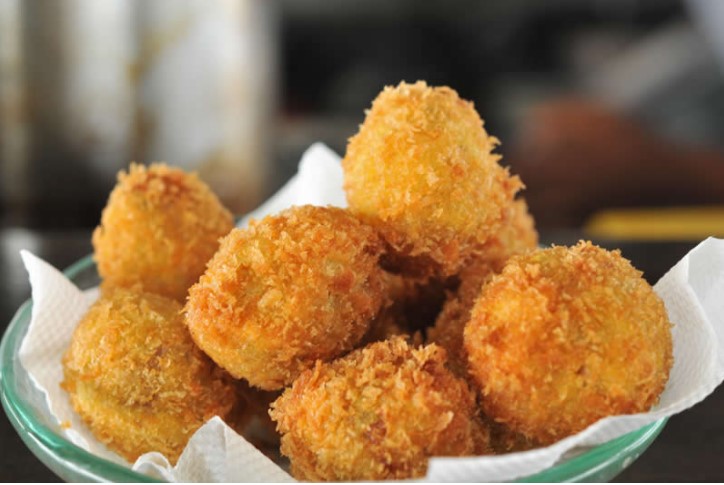
Dhonkeyo Kajuru is a traditional sweet dish in the Maldives. It is great for dessert and consists of sugar, coconut, bananas, and flour. The food is a variety of banana pancakes or balls that ooze a completely sticky sweet flavor along with crispy portions thanks to the use of deep fat. The vanilla included in the banana puree used to make this dessert also adds a distinct flavor to the unique flavor of this dish, which is served in many restaurants on many islands.
Mas Huni
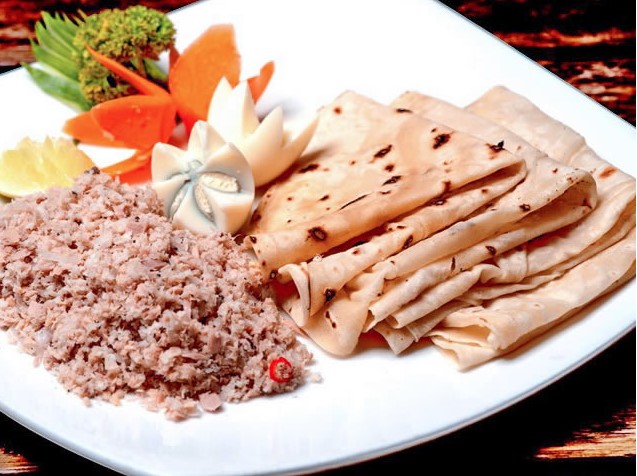
Mas Huni is a very typical and widespread Maldivian breakfast dish. The food contains tuna, onion, coconut, and chili. The ingredients are blended into a homogeneous mixture, seasoned, and served with freshly baked chapatis and tea. If you don’t like tuna or eat fish for whatever reason, there is a vegan version of Mas Huni, which is cooked with pumpkin.


About Editorial Staff
The Boss Kitchen editorial staff oversees content review, fact-checking, and recipe verification across the site. Published articles pass through the editorial team before going live, ensuring ingredient lists, techniques, cooking times, and nutritional claims hold up in a home kitchen. The team coordinates contributions across the site writers, handles reader corrections, and maintains consistency in measurement conventions, safety guidance, and dietary labeling. Posts under this byline typically represent team-reviewed reference material, site announcements, or editorial roundups rather than individual-author features, and they are held to the same sourcing standards as bylined recipe and product coverage.
Get FREE Recipe Gifts now. Or latest free cooktops from our best collections.
Disable Ad block to get all the secrets. Once done, hit any button below