Cutlets in dough, as before … This recipe makes yeast dough, very tasty, just melts in your mouth, suitable for buns with any filling.
Summary
| Prep Time | 30 mins |
| Cook Time | 30 mins |
| Total Time | 2 hrs |
| Course | Main Dish |
| Cuisine | Russian |
 Ingredients
 Ingredients
- Cutlets
For the dough:
- Water – 200 ml
- Milk – 50 ml
- Sugar – 2 tbsp + 1 teaspoon
- Dry yeast – 1 teaspoon
- or fresh yeast – 20 g
- Flour – 500 g
- Egg – 1 pc.
- Butter – 50 g
- Salt – 0.5 teaspoon
To grease the dough: - Yolk – 1 pc.
- Milk – 1 tbsp
To lubricate the proofing container: - Vegetable oil

 Print Recipe
 Pin Recipe
 Instructions
- Water and milk should be at room temperature or slightly warmer.
- In lukewarm milk (not hot!) We send 1 teaspoon of sugar and dry yeast.
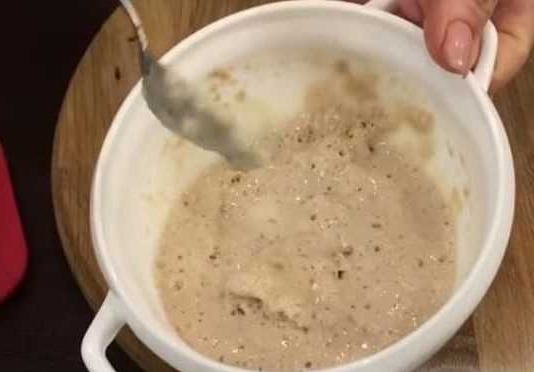
- Set aside and wait for the yeast to start working and swell a little.
- Beat the egg with a mixer. Then, continuing to beat, gradually add 2 tablespoon. tablespoons of sugar.
- We melt the butter in the microwave or in a water bath, but so that it is not hot.
- In a bowl, combine yeast, lukewarm water (not hot!), Sifted flour and half a teaspoon of salt. We mix.
- We introduce the egg mixture and butter. Knead the dough for at least 5 minutes in a food processor or 15 minutes with your hands.
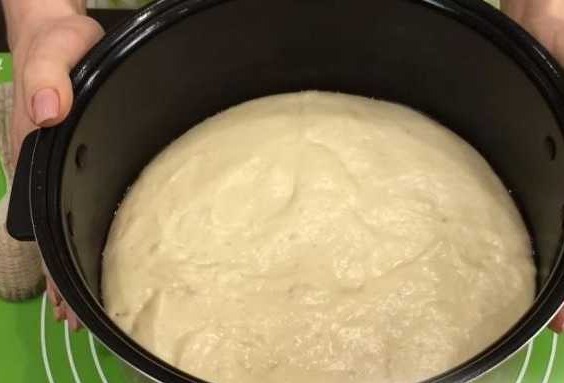
- Grease the bottom of a large deep container with oil, place the dough there, cover with a towel and put in a warm place for 1 hour for proofing.
(I ferment the yeast dough in a multicooker in the “Multi-cook” mode at 35-40 degrees, or “Proofing the dough” for 30-40 minutes.) - The dough came up.
- Pour 100 g of flour on the table and put the dough there.
- Stir all the flour into the dough. We leave on the table for 10 minutes, covered with a towel.
- Lightly dust the table with flour. Divide the dough in half, roll it into a thin layer and cut into strips 5-6 cm wide.
- Then we divide the dough into 3 more parts.
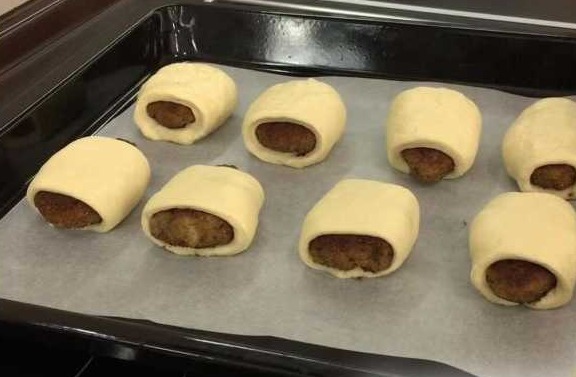
- Place a cutlet in the center of the strip and wrap it in dough. Thus, we prepare all the cutlets.
- Put the cutlets in the dough on a baking sheet covered with parchment. Leave it on for 15 minutes so that the yeast rolls come up a little. Then we send them to the hot oven and bake the cutlets in dough at 180 degrees for 30 minutes.
- Mix the yolk with milk.
- 5 minutes before cooking, grease the cutlets in the dough with yolk and wait until they are browned.
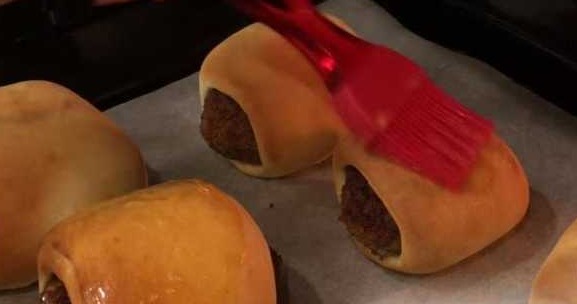
Dough cutlets are ready! Bon Appetit!


About Editorial Staff
The Boss Kitchen editorial staff oversees content review, fact-checking, and recipe verification across the site. Published articles pass through the editorial team before going live, ensuring ingredient lists, techniques, cooking times, and nutritional claims hold up in a home kitchen. The team coordinates contributions across the site writers, handles reader corrections, and maintains consistency in measurement conventions, safety guidance, and dietary labeling. Posts under this byline typically represent team-reviewed reference material, site announcements, or editorial roundups rather than individual-author features, and they are held to the same sourcing standards as bylined recipe and product coverage.
Get FREE Recipe Gifts now. Or latest free cooktops from our best collections.
Disable Ad block to get all the secrets. Once done, hit any button below